Protect Your Foundation from Water Damage
Solutions designed for high water tables and heavy rainfall in Westchester County homes.
Interior Foundation Waterproofing
Moisture control solutions engineered for aging foundations common throughout the region.
Exterior Foundation Waterproofing
If you have tried interior solutions in Scarsdale and still see moisture in your basement, contact Naclerio Construction LLC to schedule an exterior foundation evaluation.
French Drain Installations
Properly graded systems that redirect water away from vulnerable structural areas.
Sump Pump Installations and Replacements
Dependable pumping systems designed for homes facing persistent groundwater pressure.
Safeguard Your Home with Proven Waterproofing
Built on three generations of craftsmanship and direct communication
Water intrusion can threaten the structural integrity of any home, especially in areas where heavy rainfall and high water tables are constant concerns. Naclerio Construction LLC has served Scarsdale and surrounding communities since 1927, bringing family-operated reliability to every foundation waterproofing, drainage, and excavation project. You're working with a team that understands local soil conditions and the unique challenges Westchester homeowners face.
From the moment you request an estimate, you'll know what to expect. Each project begins with a thorough assessment of your property's drainage needs, followed by a detailed scope that outlines the work ahead. You'll receive straightforward answers and realistic timelines, so there are no surprises once the work begins.
Naclerio Construction treats every project as a legacy, delivering quality that stands the test of time. Whether addressing an urgent flooding issue or installing a long-term drainage system, the focus remains on solutions that protect your investment for years to come. Free estimates and quotes are available to help you move forward with confidence.
Reach out to discuss your foundation or drainage concerns and learn how the right approach can make all the difference.
How We Handle Your Waterproofing Project
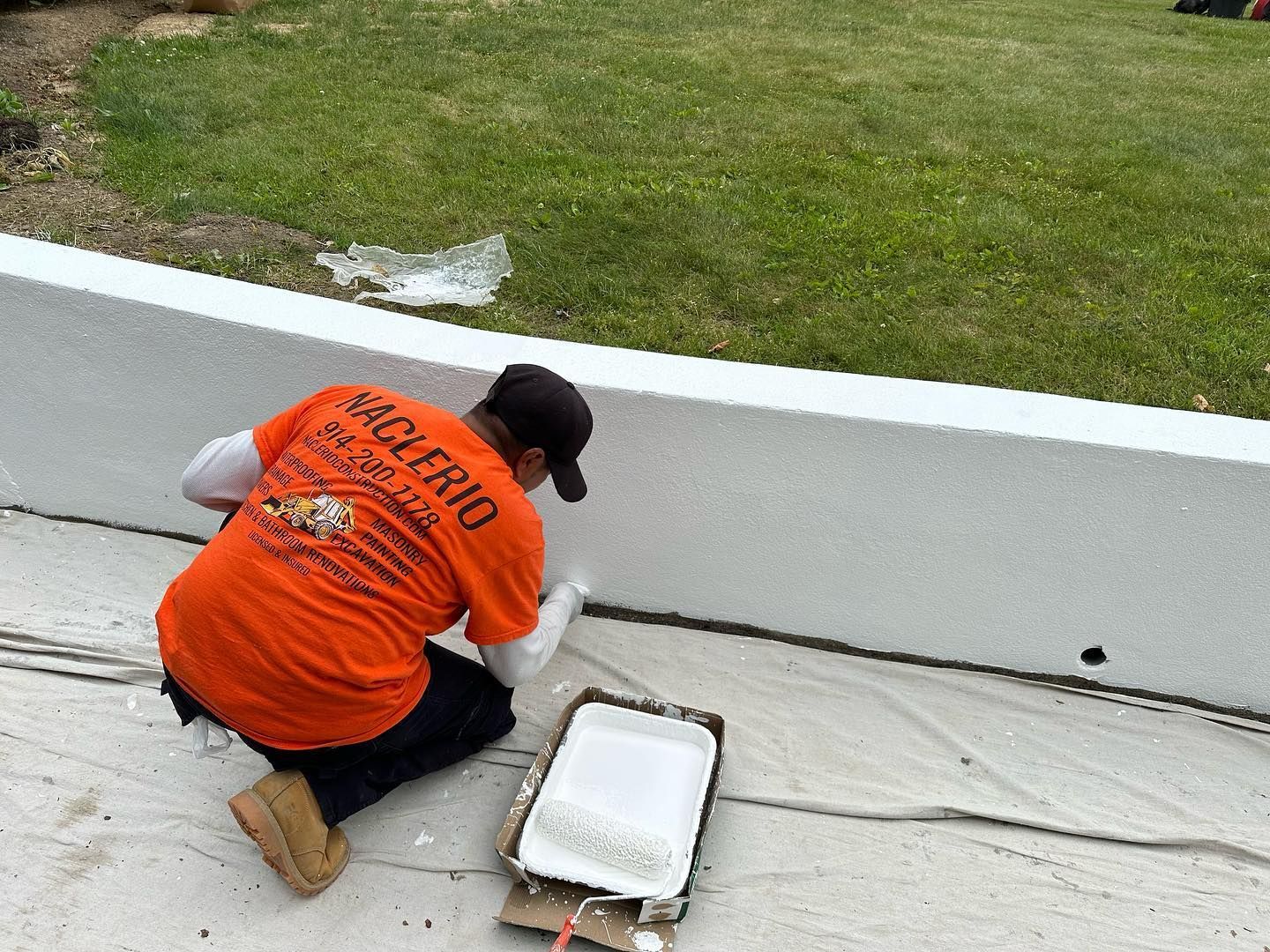
Understanding what happens on your property matters. Every waterproofing and drainage project is managed with clear documentation, consistent updates, and careful coordination from start to finish. You'll know who's on site, what work is planned each day, and when to expect completion. This level of transparency ensures that your home remains protected without disruption to your daily routine.
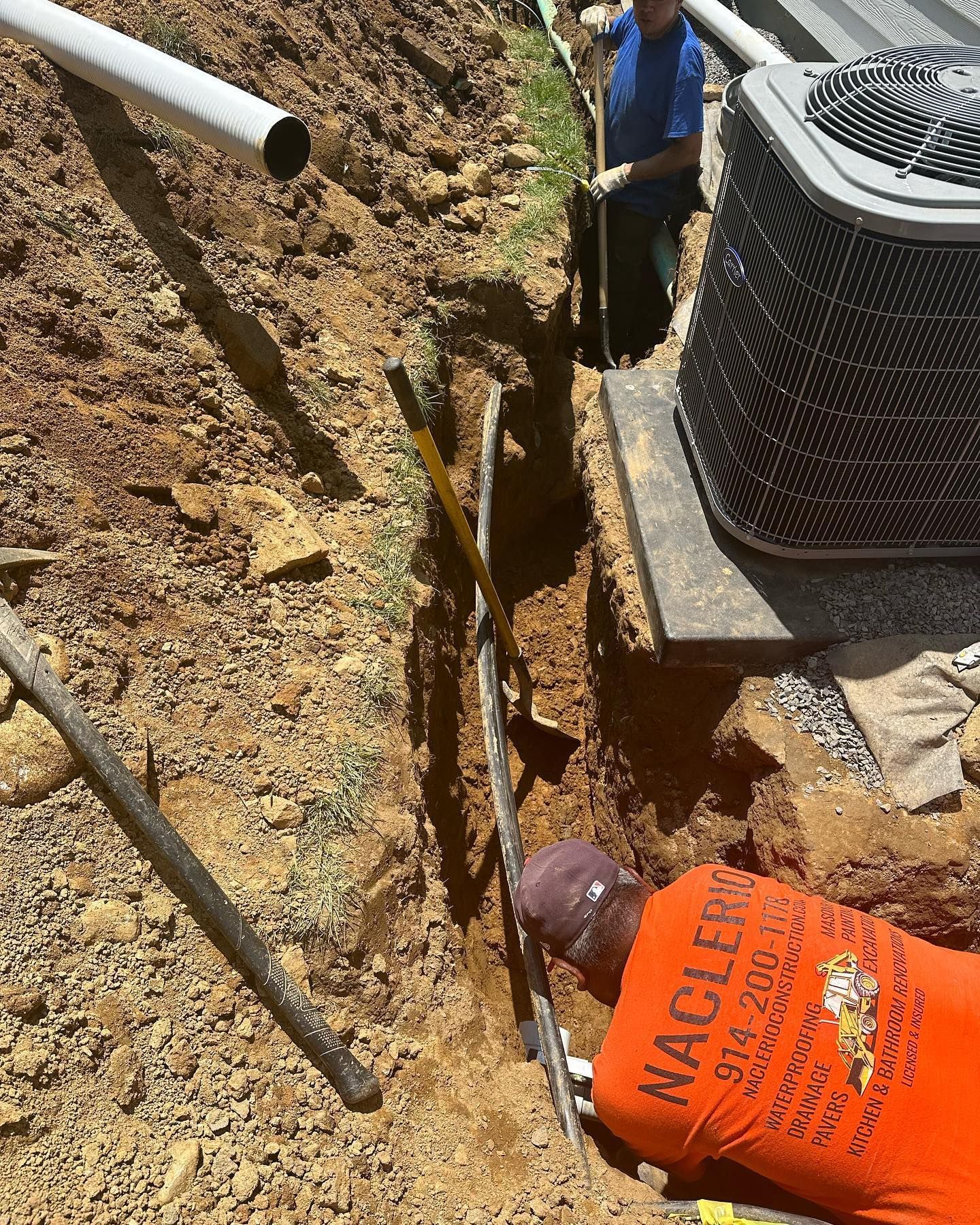
Proper excavation practices and clean job sites are non-negotiable. The team takes care to minimize impact on landscaping, driveways, and surrounding structures while ensuring that every trench, drain line, and sump basin is installed to specification. You're kept informed at each milestone, so the process feels manageable rather than overwhelming.
Here's what you can count on throughout the project:
Hands-on project oversight from a family-operated team that prioritizes accountability at every stage
Custom and pre-built dry well installation tailored to your property's specific drainage requirements
Land grading and excavation performed with attention to soil stability and long-term effectiveness
Solutions built to address the heavy rainfall and seasonal water challenges typical in Westchester homes
Get in touch to schedule a free estimate and review the best waterproofing strategy for your home.
Three Generations of Trusted Waterproofing Expertise
Family-operated service with hands-on oversight from estimate through completion.
Dependable Service Rooted in Westchester
Naclerio Construction LLC has been family owned and operated for nearly a century, with three generations of contractors contributing to the company's reputation. Working in Scarsdale and neighboring towns means familiarity with local building conditions, soil composition, and the types of foundation issues that arise in older homes. That depth of experience translates into solutions that actually work.
Professionalism is reflected in how projects are managed, how concerns are addressed, and how thoroughly each installation is completed. Homeowners trust the company not only for technical skill but for the integrity that comes with treating every job as if it were being done for family. Clean execution, proper materials, and a commitment to lasting results define the standard on every site.
Connect with the team to learn more about interior and exterior waterproofing options designed for your property.
We treat every project as a legacy delivering quality that stands the test of time
Established in 1927
Service Area
- Scarsdale, NY
- White Plains, NY
- Yonkers, NY
- Tarrytown, NY
- Mount Kisco, NY
- Larchmont, NY
Real People. Real Results.
Ed responded early on a Sunday morning to help with a failed sump pump ahead of a snowstorm. He and his crew were professional, efficient, and reasonably priced. They solved the problem quickly and cleaned everything up. Honest and dependable — highly recommend.
- Amy C.